
Dental Implants Longwood, FL: Your Guide to Permanent Tooth Replacement
Dental implants are a revolutionary solution for those seeking a permanent replacement for missing teeth. This comprehensive guide will explore the intricacies of dental implants, including their components, functionality, costs, and the procedure involved. Many individuals face challenges with missing teeth, which can affect their confidence and quality of life. Dental implants offer a reliable solution that not only restores functionality but also enhances aesthetics. In this article, we will cover what dental implants are, their costs in Longwood, FL, the procedure at My Favorite Dental Boutique, and why Dr. Paula Grisales is a qualified choice for your dental implant needs.
What Are Dental Implants and How Do They Replace Missing Teeth?
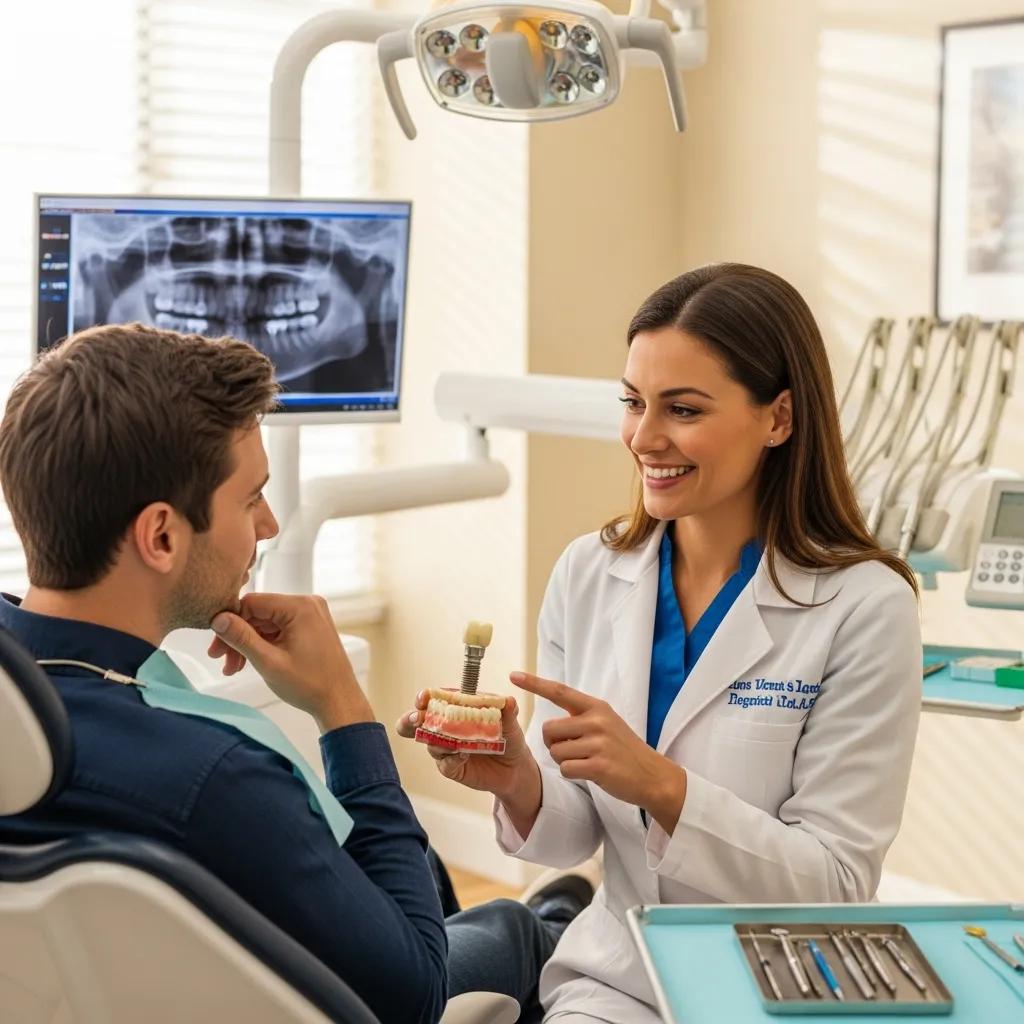
Dental implants are artificial tooth roots made of titanium that are surgically placed into the jawbone to support replacement teeth or bridges. They function similarly to natural teeth, providing a stable foundation for crowns, which are the visible part of the tooth. The primary benefit of dental implants is their ability to restore both the function and appearance of natural teeth, allowing individuals to eat, speak, and smile with confidence.
What components make up a dental implant?
- Titanium Post: This is the part that is surgically inserted into the jawbone, acting as the root of the tooth.
- Abutment: This connects the titanium post to the crown and is typically made of titanium, zirconia, or other biocompatible materials.
- Crown: The visible part of the implant that resembles a natural tooth, usually made from porcelain, ceramic, or zirconia.
These components work together to create a durable and aesthetically pleasing replacement for missing teeth.
How do dental implants function like natural teeth?
Dental implants function like natural teeth through a process called osseointegration, where the titanium post fuses with the jawbone. This integration provides stability and strength, allowing the implant to withstand the forces of chewing. Additionally, dental implants help maintain the jawbone’s structure, preventing bone loss that often occurs with missing teeth. The aesthetic benefits of dental implants also contribute to a natural appearance, making them a preferred choice for tooth replacement.
Research consistently highlights the positive outcomes and aesthetic improvements associated with dental implants.
Dental Implant Outcomes & Aesthetic Results
ABSTRACTObjectivesTo assess the treatment outcomes of the dental implants placed in the grafted sockets.Material and MethodsA search protocol was developed to evaluate the treatment outcomes of dental implants placed in the grafted sockets in terms of implant survival rates (primary outcome), marginal-bone-level (MBL) changes, clinical parameters (i.e., bleeding on probing, probing depth), occurrence of peri-implant diseases, and aesthetic outcomes (secondary outcomes).
Dental implant outcomes in grafted sockets: a systematic review and meta-analysis, A Ramanauskaite, 2019
How Much Do Dental Implants Cost in Longwood, FL?
The cost of dental implants can vary significantly based on several factors, including the type of implant, the complexity of the case, and the specific dental practice. On average, patients in Longwood, FL, can expect to pay between $4,500 and $6,500+ per implant, which typically includes the surgical procedure, abutment, and crown.
Understanding the financial aspects is crucial, as dental implant treatment often involves private payment due to its comprehensive nature.
Understanding Dental Implant Treatment Costs
Dental implant treatment is an effective treatment for missing teeth, but is only available via the NHS in some specific clinical circumstances. The majority of people who receive this treatment therefore pay privately, often at substantial cost to themselves. People are used to paying towards dental treatment costs. However, dental implant treatment is much more expensive than existing treatments – such as removable dentures.
Paying for treatments?
Influences on negotiating clinical need and decision-making for dental implant treatment, CE Exley, 2009
What factors influence the cost of dental implants?
- Type of Implant: Different types of implants, such as single-tooth implants or All-on-4 implants, can vary in price.
- Location: The geographical location of the dental practice can affect pricing due to local market conditions.
- Additional Procedures: Patients may require additional procedures, such as bone grafting or sinus lifts, which can increase the total cost.
Understanding these factors can help patients make informed decisions regarding their dental implant options.
What financing options are available for dental implants?
Many dental practices, including My Favorite Dental Boutique, offer various financing options to make dental implants more accessible. These may include:
- Payment Plans: Flexible payment plans that allow patients to spread the cost over several months.
- Insurance Coverage: Some dental insurance plans may cover a portion of the implant costs, depending on the policy and whether the procedure is deemed medically necessary.
- Third-Party Financing: Options like CareCredit can provide financing specifically for dental procedures.
These financing solutions can help alleviate the financial burden associated with dental implants.
What Is the Dental Implant Procedure at My Favorite Dental Boutique?
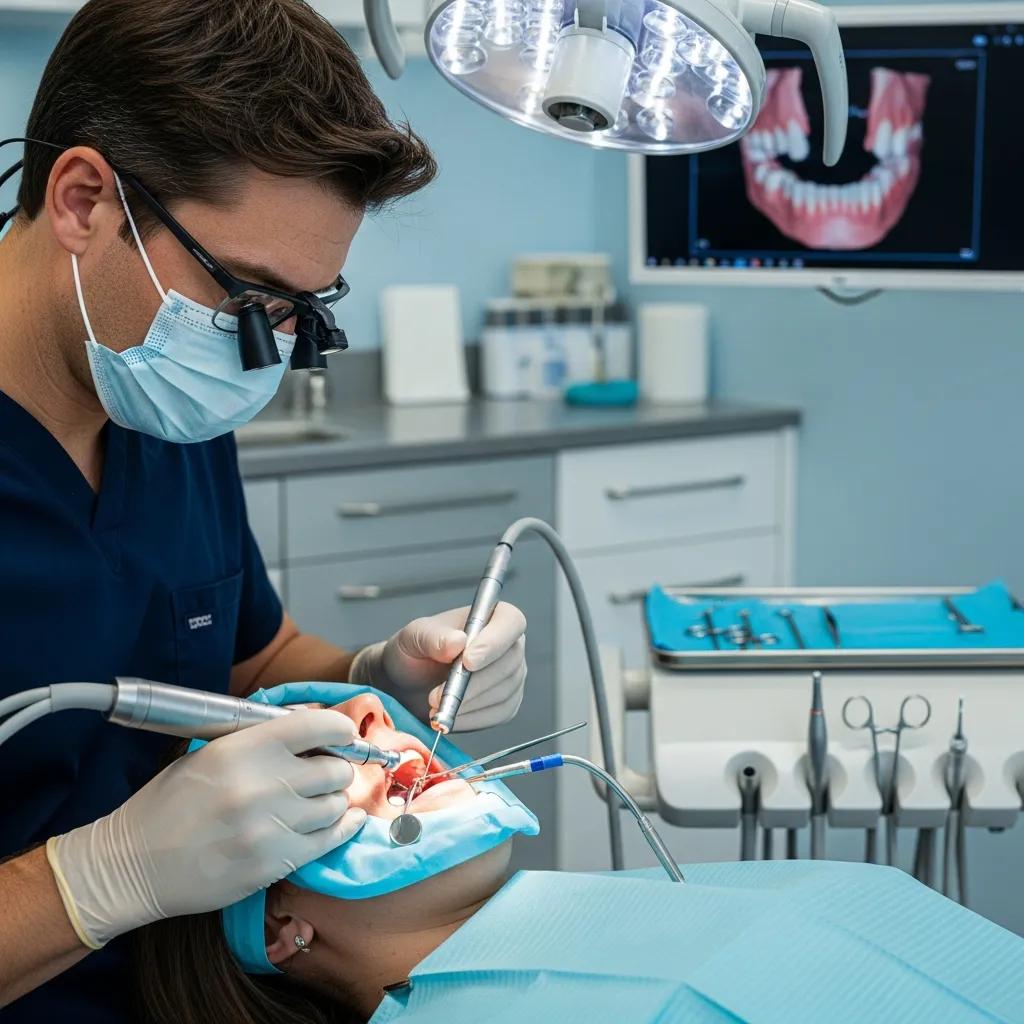
The dental implant procedure at My Favorite Dental Boutique is a comprehensive process designed to ensure patient comfort and successful outcomes. The procedure typically involves several steps, from initial consultation to final placement of the crown.
What are the steps involved in dental implant surgery?
- Consultation: The process begins with a thorough examination and consultation to determine the patient’s suitability for implants.
- Surgery: The titanium post is surgically placed into the jawbone under local anesthesia.
- Healing Period: A healing period of 3 to 6 months is necessary for osseointegration to occur.
- Abutment Placement: Once healed, an abutment is placed on the post to support the crown.
- Crown Placement: Finally, a custom-made crown is attached to the abutment, completing the restoration.
This step-by-step approach ensures that each patient receives personalized care tailored to their specific needs.
What advanced implant techniques are offered?
My Favorite Dental Boutique utilizes advanced techniques to enhance the dental implant experience, including:
- Guided Surgery: This technique uses 3D imaging to plan the precise placement of implants, improving accuracy and outcomes.
- Immediate Load Implants: In certain cases, patients can receive a temporary crown on the same day as the implant surgery, allowing for immediate functionality.
- Bone Grafting: For patients with insufficient bone density, bone grafting procedures can be performed to create a stable foundation for implants.
These advanced techniques contribute to higher success rates and improved patient satisfaction.
For cases with insufficient bone volume, while bone grafting is an option, research also explores alternatives like short dental implants to simplify procedures and reduce costs.
Short Dental Implants: A Cheaper Alternative
Dental implants are considered a treatment option to replace missing teeth in edentulous patients. In many clinical situations, insufficient bone volume is a critical limiting factor for dental implant placement and successful osseointegration. Several surgical techniques have been described to obtain adequate bone volume, including bone grafts, sinus lifting, and nerve transposition. These surgeries are technically sensitive and might cause significant postoperative complications such as graft resorptions, severe pain or neurosensory disturbances. Short dental implants have been proposed as a simpler, cheaper, and faster alternative for the rehabilitation of atrophic edentulous areas to avoid the disadvantages of surgical techniques [1-5].
Comparing short dental implants to standard dental implants: protocol for a systematic review, AR Rokn, 2018
Why Choose Dr. Paula Grisales for Dental Implants in Longwood, FL?
Dr. Paula Grisales is a qualified implant dentist with extensive experience in the field. Her commitment to patient care and expertise in dental implants make her a strong choice for those seeking this treatment.
What experience and qualifications does Dr. Grisales have?
Dr. Grisales has completed advanced training in implant dentistry, including numerous courses and certifications. Her experience allows her to handle complex cases with confidence, ensuring that each patient receives a high standard of care.
What do patients say about their implant experience?
Patients consistently praise Dr. Grisales for her compassionate approach and the quality of care they receive at My Favorite Dental Boutique. Many report significant improvements in their quality of life following their implant procedures, highlighting the positive impact on their confidence and ability to enjoy everyday activities.
| Component | Description | Benefit |
|---|---|---|
| Titanium Post | The root of the implant | Provides stability and strength |
| Abutment | Connects the post to the crown | Ensures a secure fit |
| Crown | The visible part of the implant | Mimics the appearance of natural teeth |
This table summarizes the essential components of dental implants and their respective benefits, illustrating how each part contributes to the overall success of the procedure.
Dental implants represent a significant advancement in restorative dentistry, offering a permanent solution for missing teeth. With the expertise of Dr. Paula Grisales at My Favorite Dental Boutique, patients can expect a comprehensive approach to their dental implant needs, ensuring both functionality and aesthetics are achieved.
Frequently Asked Questions
What is the recovery time after dental implant surgery?
The recovery time after dental implant surgery can vary from person to person, but generally, patients can expect a healing period of 3 to 6 months. During this time, osseointegration occurs, where the titanium post fuses with the jawbone, providing stability for the implant. While initial healing may take a week or two, full integration is crucial for the long-term success of the implant. Patients are advised to follow their dentist’s post-operative care instructions to ensure a smooth recovery process.
Are dental implants suitable for everyone?
While dental implants are a highly effective solution for many individuals with missing teeth, they may not be suitable for everyone. Factors such as age, overall health, and bone density play a significant role in determining candidacy. Patients with certain medical conditions, such as uncontrolled diabetes or those undergoing radiation therapy in the head and neck area, may face challenges. A thorough consultation with a qualified dentist is essential to assess individual suitability for dental implants.
How do I maintain my dental implants?
Maintaining dental implants is similar to caring for natural teeth. Regular oral hygiene practices, including brushing twice a day and flossing daily, are crucial. Additionally, routine dental check-ups and professional cleanings are recommended to monitor the health of the implants and surrounding gums. Avoiding tobacco products and managing any underlying health conditions can also contribute to the longevity of dental implants. With proper care, dental implants can last many years, often a lifetime.
What are the potential risks or complications associated with dental implants?
As with any surgical procedure, dental implants come with potential risks and complications. These may include infection at the implant site, nerve damage, sinus issues (for upper jaw implants), and implant failure due to insufficient bone integration. However, these risks are relatively low when the procedure is performed by an experienced professional. Discussing any concerns with your dentist prior to surgery can help mitigate these risks and ensure a successful outcome.
Can dental implants be used to support dentures?
Yes, dental implants can be used to support dentures, providing a more stable and secure fit compared to traditional dentures. This approach, often referred to as implant-supported dentures, involves placing several implants in the jawbone to anchor the denture. This not only enhances comfort and functionality but also helps prevent bone loss in the jaw. Patients seeking a more permanent solution to removable dentures may find this option particularly beneficial.
What should I expect during the initial consultation for dental implants?
During the initial consultation for dental implants, the dentist will conduct a comprehensive examination, including X-rays or 3D imaging, to assess the condition of your jawbone and overall oral health. The dentist will discuss your medical history, evaluate your suitability for implants, and explain the procedure in detail. This is also an opportunity for patients to ask questions and address any concerns they may have regarding the treatment process and expected outcomes.